This hole was already there
No drill, no glue, no new holes — CLSTR uses what the city has already left behind. Fragments that travel from city to city.
Who says street art can only happen with paint or glue on a wall?
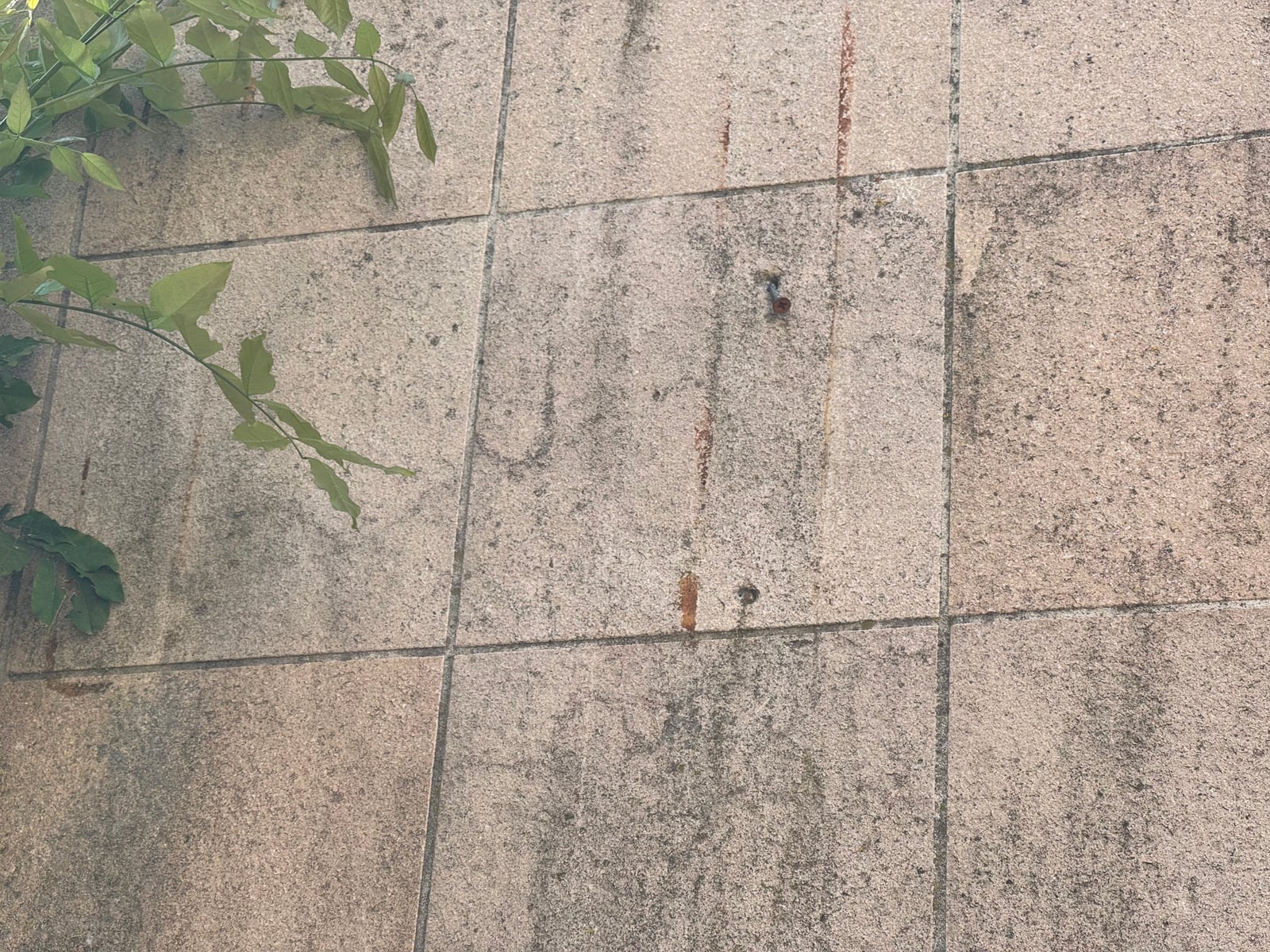
City walls hold onto more than you'd think. Old screws, nails sticking out, plugs where a sign or a cable once hung. They stay behind long after everything else is gone.
For CLSTR, a leftover screw or nail is enough.
CLSTR is made up of 10,000 GSTRs. Some hang together as a cluster, others have already found their way into private collections. But there's no reason they all need to stay indoors.
No drill, no glue, no new holes. Just using what's already there. The existing fixing points decide where a fragment can go.
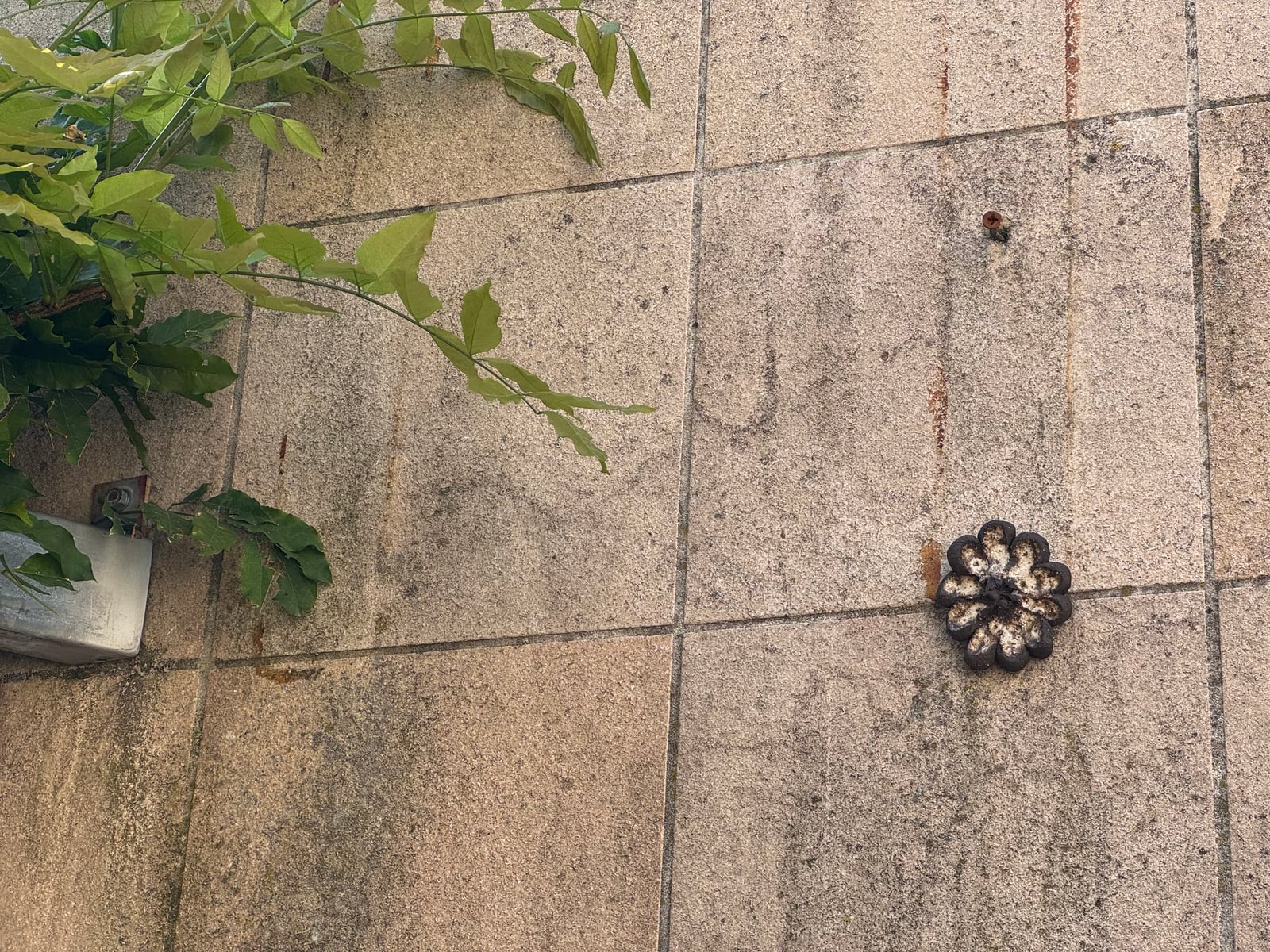
I decide which ones, and how many. The city does the rest.
And the strange thing is: they hardly stand out.
I expected a ceramic shape like this to feel fairly present on a façade. The opposite turned out to be true. It seems to adapt to the wall.
What used to be an ugly hole or a rusty screw suddenly draws less attention.
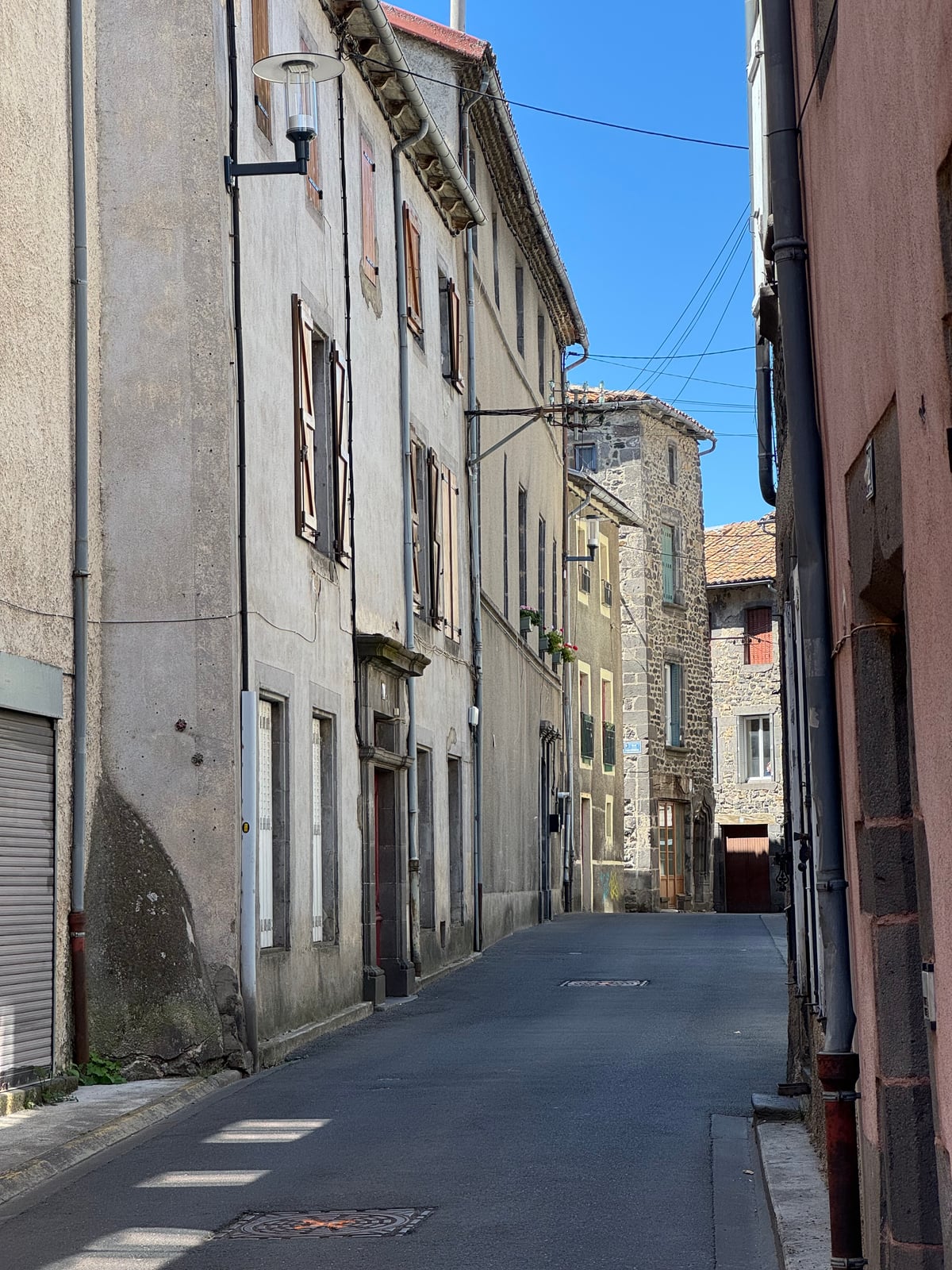
Over the coming years, CLSTR is going to travel.
When I visit a city, I bring a few fragments along. I'm not looking for famous spots or perfect walls. I just look for a place the city has already left behind.
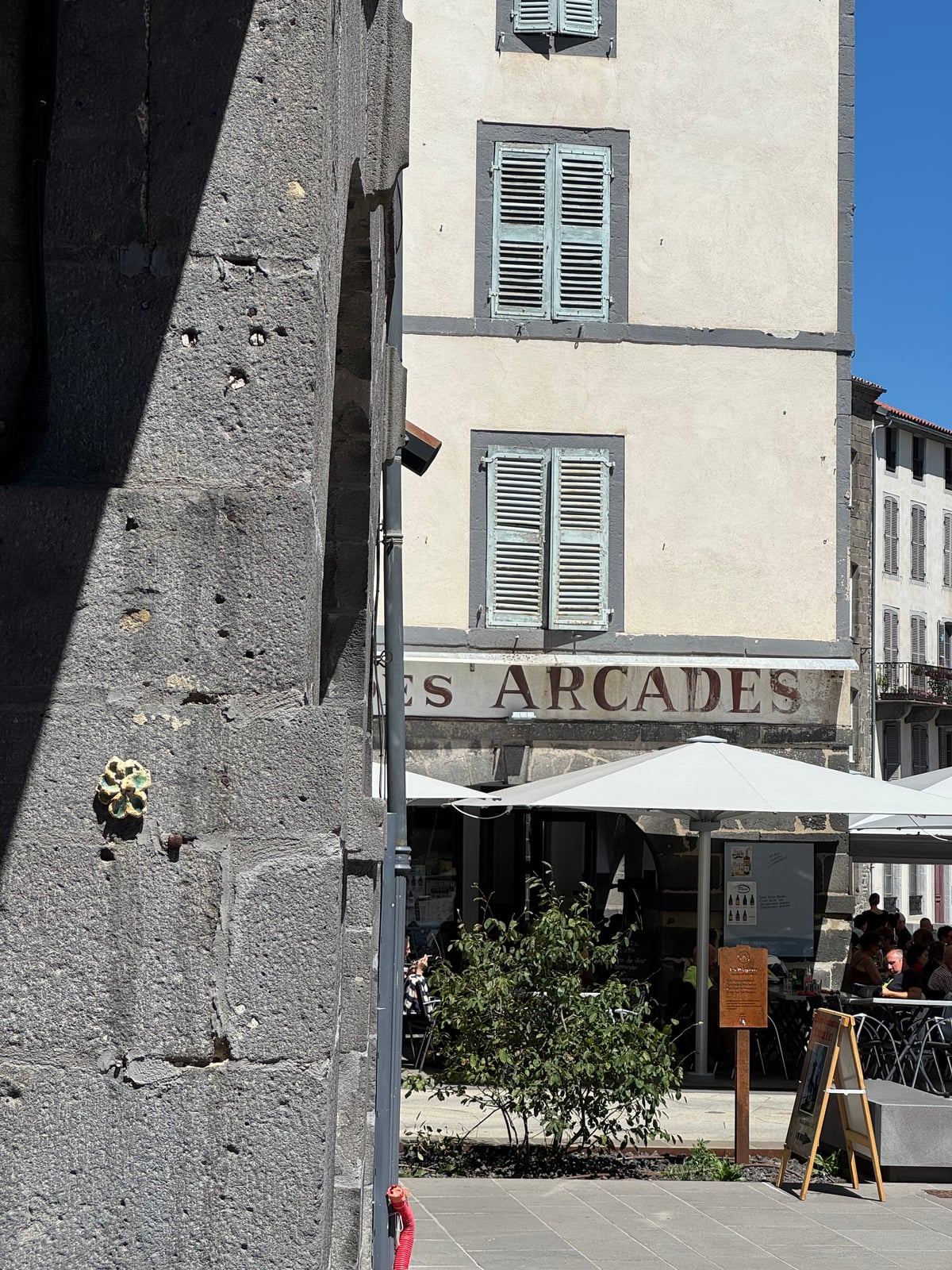
Maybe a fragment stays up for years. Maybe it disappears after two days. Maybe someone actually sees it.
Anyone who comes across a fragment can point Google Lens at it. If Google recognises it, the trail leads back to CLSTR and the archive.
CLSTR was made to be shared. Not one artwork for one collector, but a single artwork spread across different places, homes and countries. All part of the same work.